Learning about SAP partners in UK requires looking beyond traditional business consulting narratives and focusing on how enterprise software is actually built and sustained. SAP is not simply a business tool; it is a large-scale, modular software platform that demands engineering precision. A SAP partner in UK operates as software specialists who design, extend, and maintain ERP environments using structured development methodologies.
Their role aligns closely with modern computer software engineering, where performance, reliability, and scalability are engineered outcomes rather than assumptions.
By treating SAP implementation as a disciplined software lifecycle, these partners ensure that enterprise systems are robust enough to support complex operations, regulatory obligations, and long-term growth. This perspective reframes ERP success as a product of technical design choices as much as business alignment.
Modular Architecture and System Design
Modern computer software is built on modular principles, allowing systems to evolve without constant reinvention. SAP’s architecture reflects this approach through its modular components, which can be activated, extended, or integrated based on organizational needs. UK SAP partners specialize in tailoring these modules into cohesive systems that reflect specific enterprise requirements.
This design process involves careful planning of system dependencies, data models, and process flows. Decisions made during architectural design influence system performance and future adaptability.
By applying software design principles, SAP partners create ERP environments that remain flexible as business models and technologies evolve.
Cloud Computing and Scalable Infrastructure
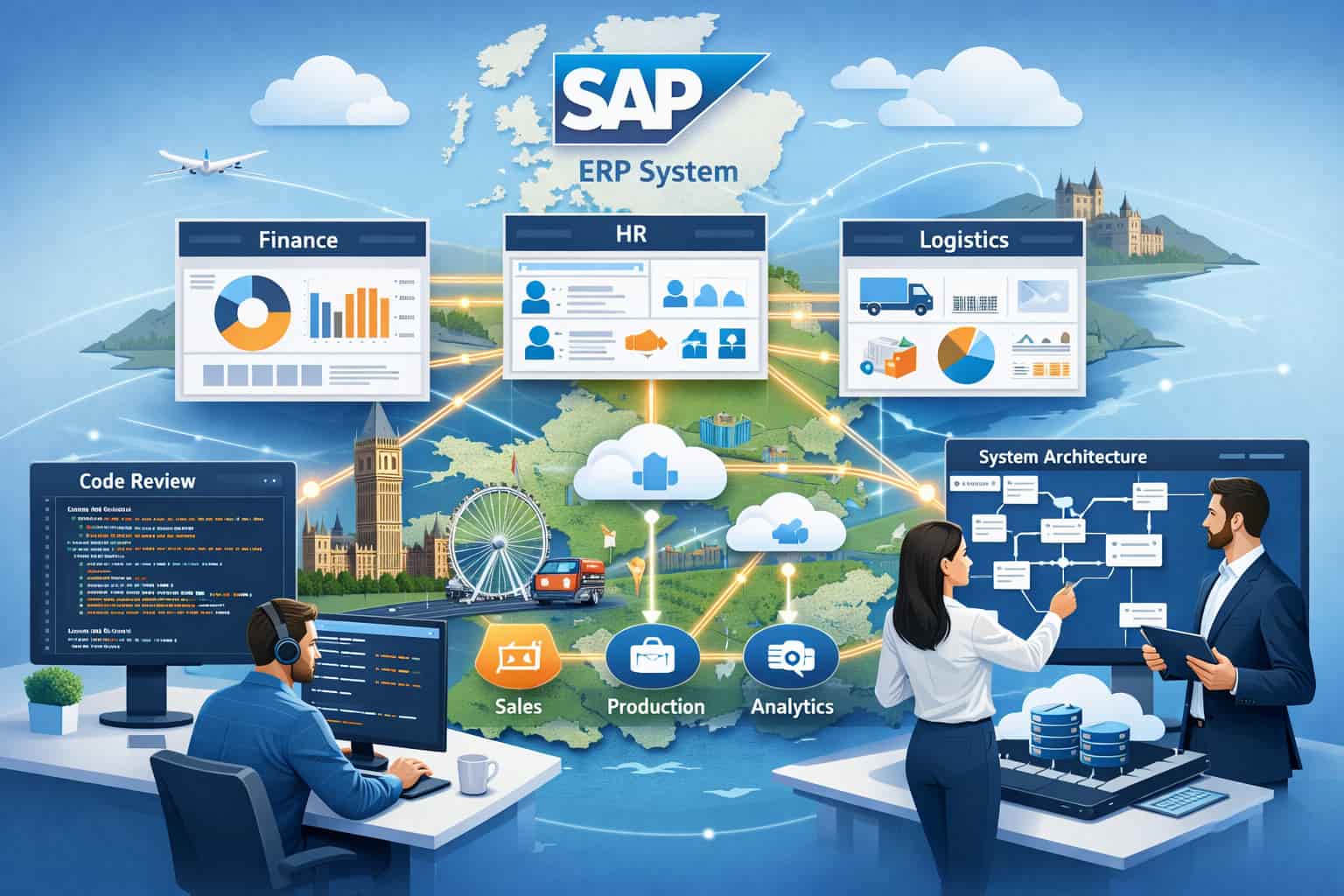
Cloud computing has transformed how enterprise software is delivered and consumed. SAP’s cloud-enabled offerings allow organizations to deploy ERP systems that scale dynamically and support distributed workforces. UK SAP partners play a critical role in translating these capabilities into reliable production environments.
Infrastructure decisions, whether on-premise, cloud, or hybrid are treated as software architecture concerns. Partners assess workload demands, security requirements, and integration needs before selecting deployment models. This ensures that ERP platforms maintain consistent performance while adapting to changing usage patterns and growth trajectories.
Security, Compliance, and Software Governance
Enterprise software must operate within strict security and compliance frameworks, particularly in regulated industries. UK SAP partners approach these requirements through software governance, embedding controls directly into system design.
By aligning ERP systems with established security frameworks, partners help organizations maintain compliance while enabling innovation. The result is a platform that supports both operational efficiency and regulatory confidence.
Continuous Updates and Long-Term Maintainability
Modern software is never static. Continuous updates, patches, and enhancements are essential to maintain performance and security. UK SAP partners manage ERP environments with this reality in mind, applying disciplined change management and version control practices.
System updates are tested, validated, and deployed with minimal disruption. Customizations are engineered to remain compatible with future releases. This commitment to maintainability ensures that ERP platforms continue to deliver value over time, supporting digital transformation initiatives without creating technical debt.
Translating Enterprise needs into High-Performance Software
Understanding SAP partners ultimately means recognizing their role as enterprise software engineers. They translate complex business requirements into high-performance computer software systems that integrate seamlessly with modern technology stacks. By combining SAP expertise with software engineering discipline, these partners enable organizations to operate securely, scale confidently, and innovate continuously.